The study reveals how thickness affects the strength and failure modes of finger-jointed wood.
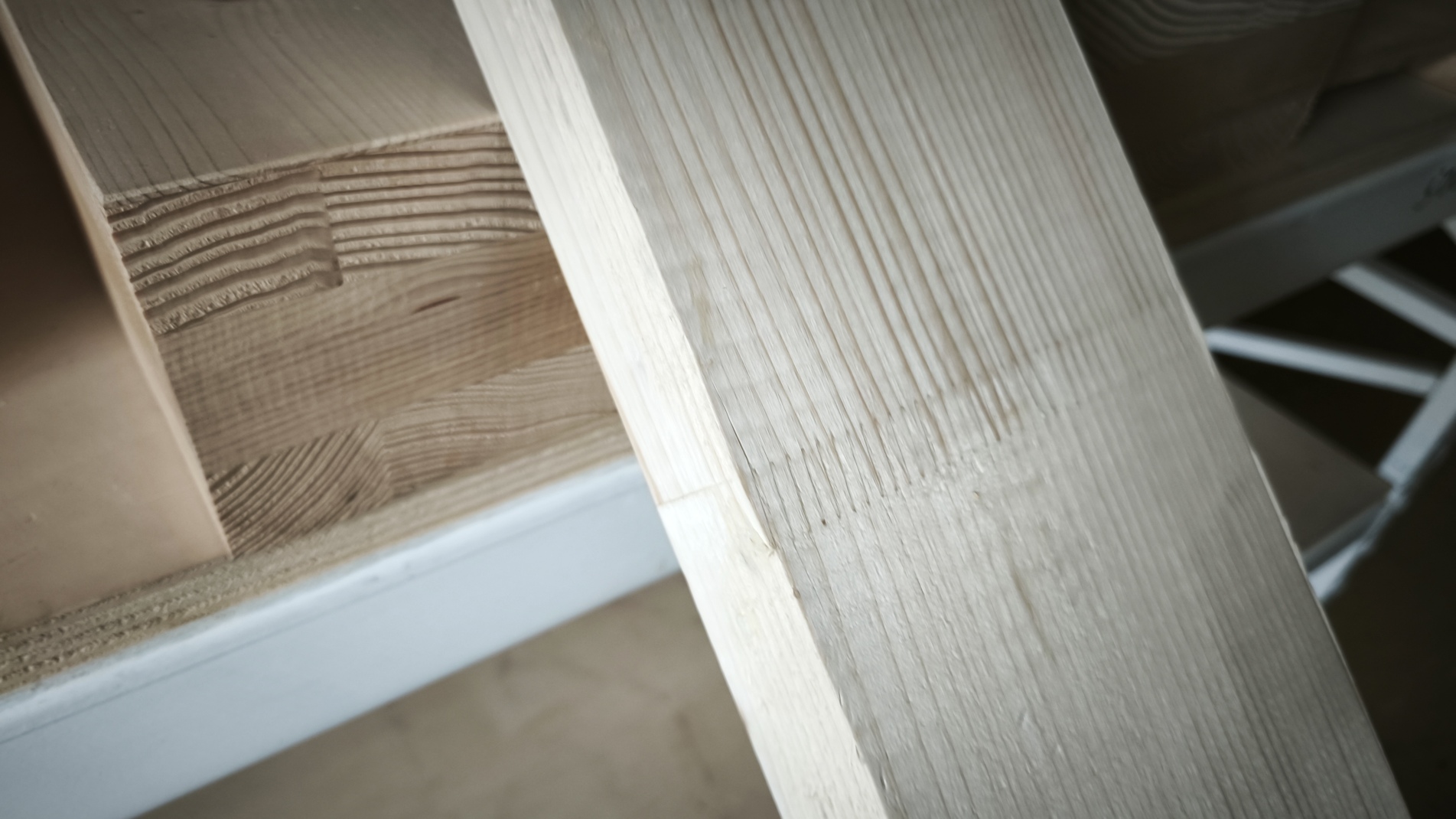
Researchers from InnoRenew CoE and UP IAM, in cooperation with the company Stilles, have published a new scientific study in ScienceDirect, examining the influence of spruce board dimensions with finger-joint connections on their bending strength. We analysed more than 1,100 industrially produced samples made from C24-grade boards with thicknesses between 20 and 40 mm.
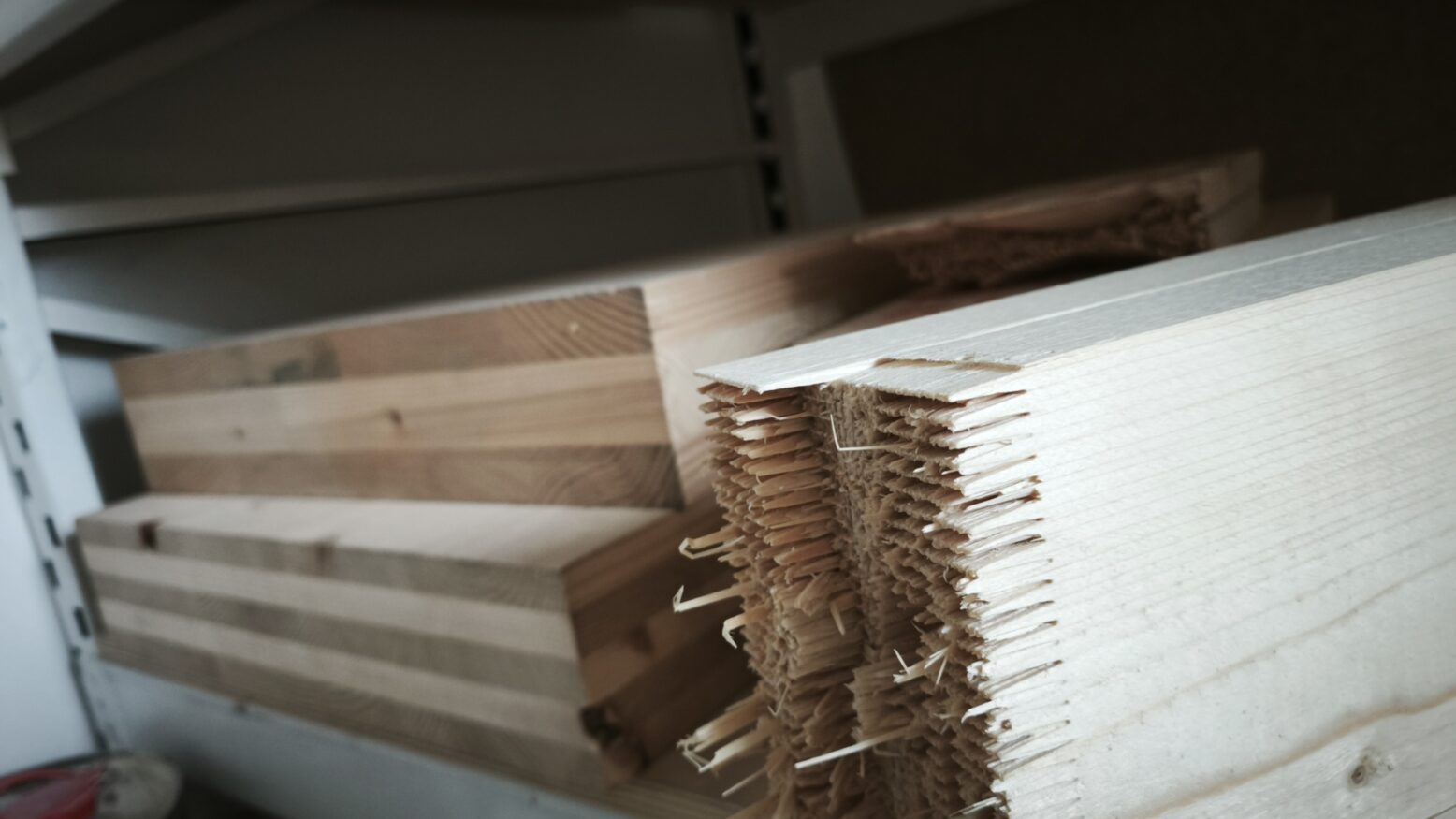
The results clearly show that thinner boards are stronger: boards with a thickness of 20 mm achieved an average strength of 43.7 MPa, while those with 40 mm reached 38.3 MPa. Board width had no significant impact on strength. The study also reveals that failure modes change with thickness—thicker boards more often break outside the finger joint, raising further questions about stress distribution and material behaviour in larger cross sections.
Despite the noticeable differences between dimensions, the results confirm that the current industrial practice—using a single declared strength value (27.6 MPa) for all thicknesses—is safe, as the measured values of industrial samples exceeded it by more than 38%.
The findings contribute to a better understanding of the mechanical performance of finger-jointed wood and offer valuable guidelines for material optimization, process improvement, and strengthening the sustainable use of wood in future construction.